This week I presented at Discovery Education’s Ignite Vancouver. This is my 5 minute presentation. Please excuse the run-on sentences and poor punctuation. It is written like I spoke it – fast.

Last year a researcher travelling the globe studying education systems around the world asked me this question. This is a great question because it has so many answers. I bet the one that pops into your mind now will change by the end of my talk.

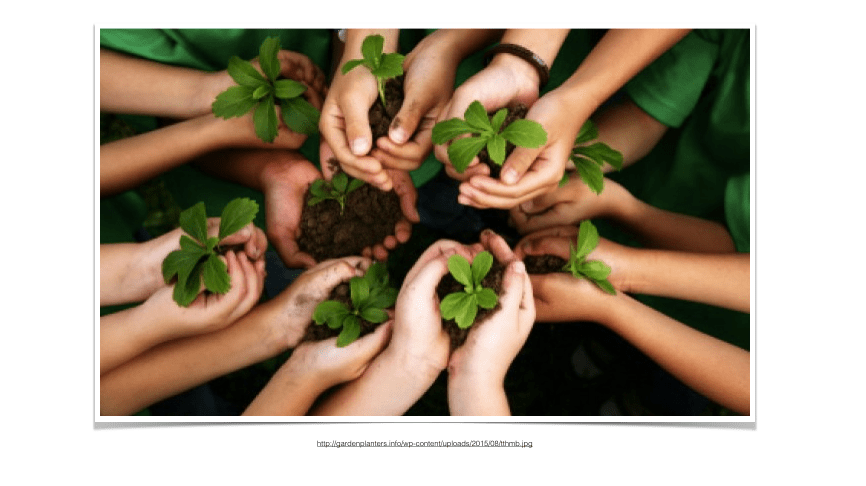
My answer was a farmer. We are the farmers of ideas and thinking. We do that by planting seeds then nurturing and tending to intellectual growth. Farmers tend to different crops uniquely as they understand they have different needs to thrive. Our students are no different. Farmers understand the impact of time and
most importantly, farmers understand the influence of the environment, and though they can’t control it, they understand regular attention to the conditions, and being flexible with their approach is key to fostering the optimal conditions for crops to thrive.

And over the next 4 minutes and 15 seconds I’m going to tell you about two ideas I’ve been nurturing and tending to over the past year in pursuit of answering a bigger question that I’ll share at the end.

I often contemplate that over the last few years especially, we’ve been working to change the way student think through inquiry frameworks, cycles, models, strategies, dispositions, genius hours, passion projects etc but we haven’t changed the environment where our students do that thinking. We haven’t engaged the third teacher.

A quick Google search of classrooms brings the same structure that I learned in – and the world is a much different place. They are all wonderfully set up for the sage on the stage, every desk is the same. Where is the choice? How does it inspire teachers to be activators of student learning? Where does collaboration fit in?
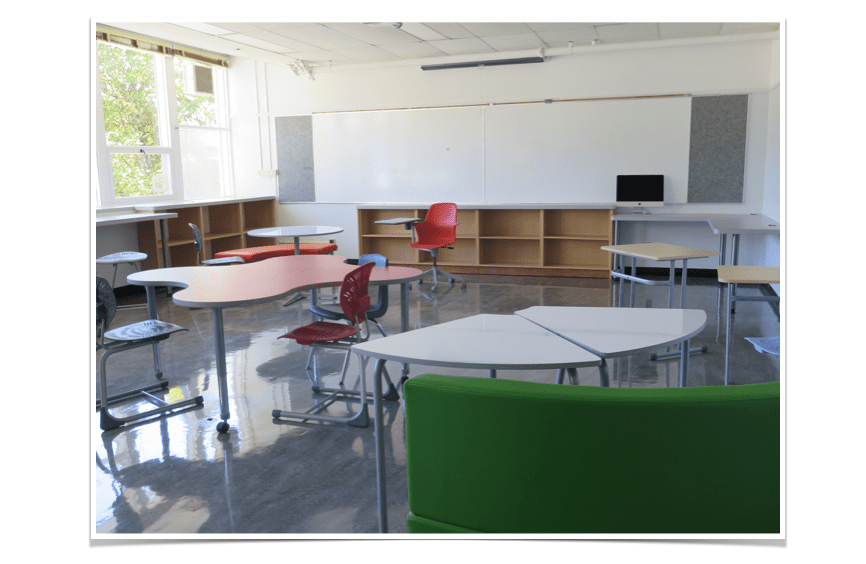
To foster a change in environment I hoofed this furniture into different classrooms on a regular basis. I moved it to each PAC meeting, assemblies that parents would attend and placed it throughout the hallways. I didn’t go to the gym for months. I got feedback from parents, staff and most importantly students that they felt it positively impacted learning.
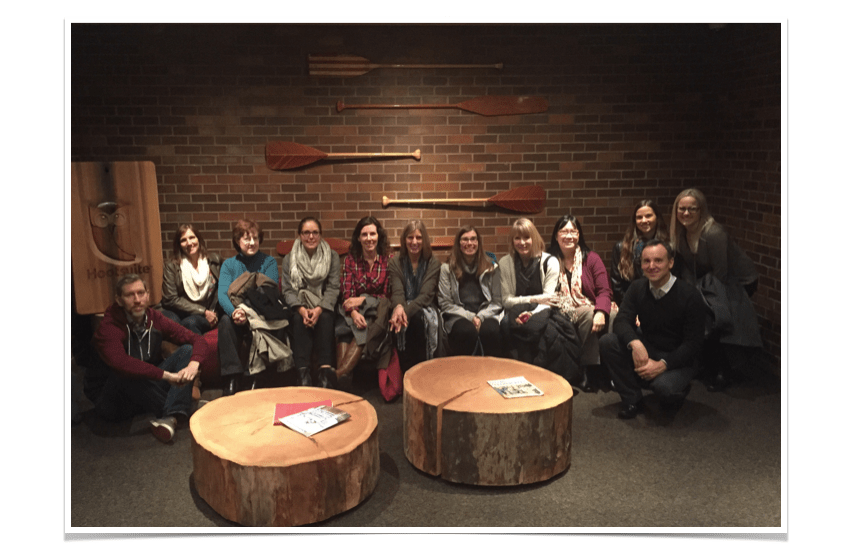
So the idea spread and a team of teachers and parents began to explore the possible. We set-off to see innovative space at new schools and the modern workplace. Environments that foster independence, choice, collaboration, critical thinking and flexibility. Space that values an entrepreneurial mindset.
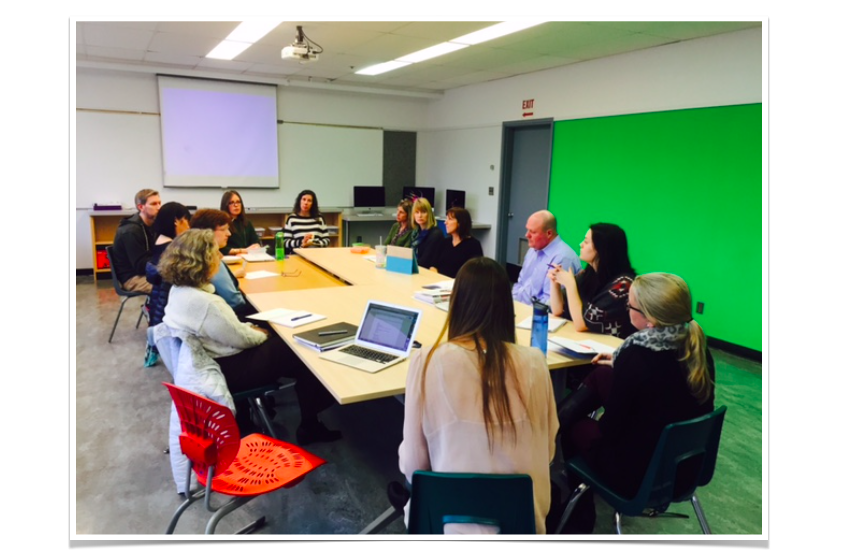
Then we took our learning and our road trip experience and created “the Iron Chef” of learning space redesign. 4 companies – 30 minutes of listening – plan and pitch. May the most innovative win! Valuing and modelling the entrepreneurial mindset with a reality show-esque scenario.
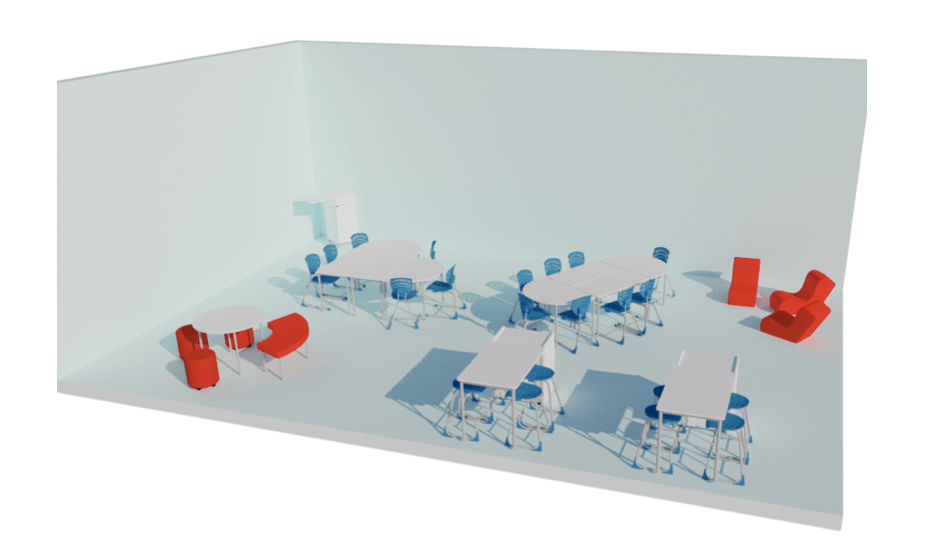
And so now we’re at the ordering phase. Our classrooms will soon be filled with micro-environments – the watch tower, campfire, watering hole, office – environments that foster creativity, collaboration, choice and…

most importantly, flexibility. I myself have been trying to be more flexible – literally. I joined this group because one morning I was unable to put my socks on as I had my whole life. Instead I had to do that old man awkward knee-bend and I knew I needed to change.
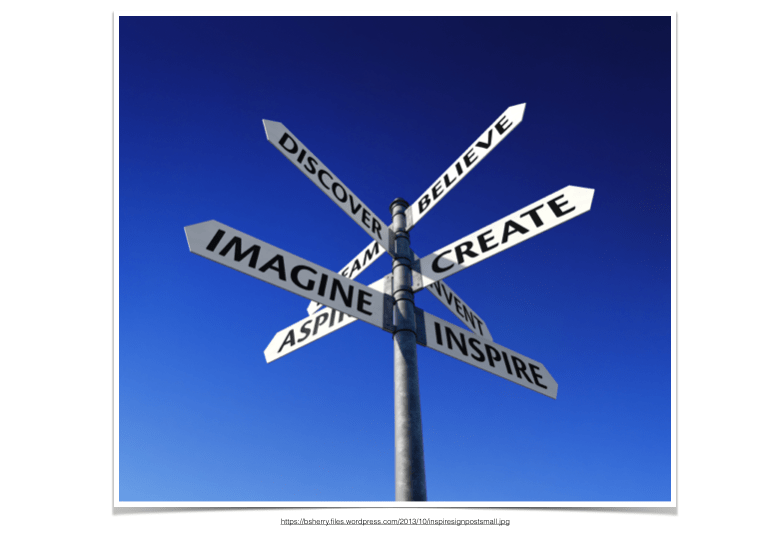
But I digress…flexible spaces/flexible thinking. I love professional learning experiences that inspire and challenge people to investigate, explore and connect because that’s how we learn and how we grow as professionals.

As a school leader it pains me to see this look on the face of teachers when you say the word inquiry. We have asked teachers to teach through inquiry but have we given them the tools to make it happen? I wanted to find a way to give teachers the confidence to make inquiry learning as rich as IB and as open and flexible as an inquiry disposition.
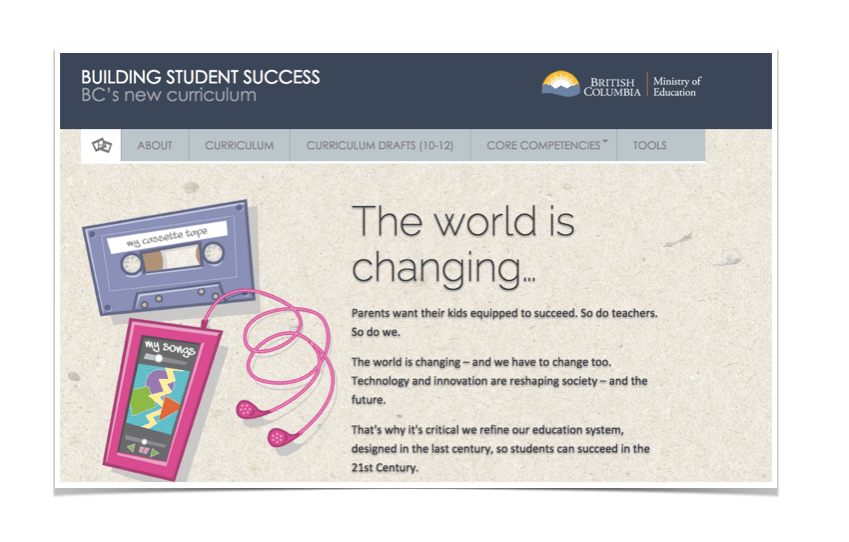
Because the time is right. A few years ago inquiry planning could involve 45 minutes of debating the wording of a “big idea”. Boom! The new curriculum has taken care of that. A few years ago there was the checklist of outcomes too long for teachers to comfortably fit into inquiry units. This is not so much of a problem any longer.
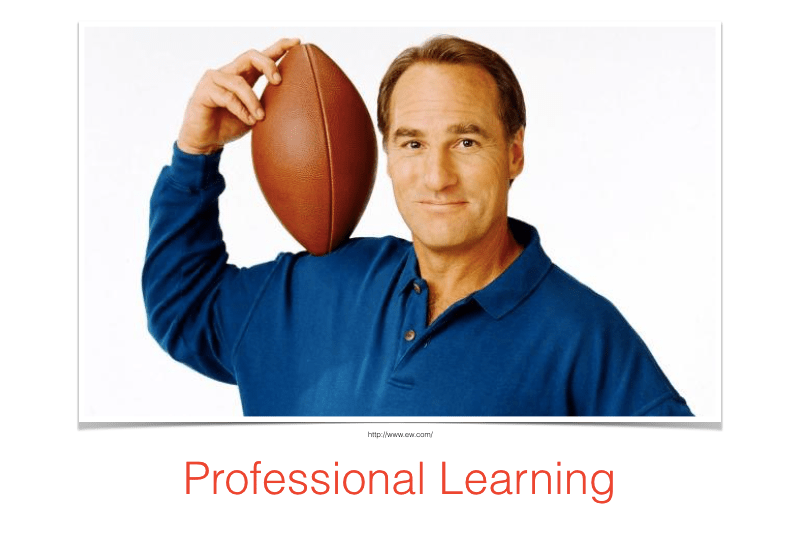
But professional learning matters and needs to be invested in if you want sustainable and rich change. So, we have a coach. No, not Craig T Nelson but a design thinking coach who will work with our teachers over the next 2 years to build capacity in our staff.
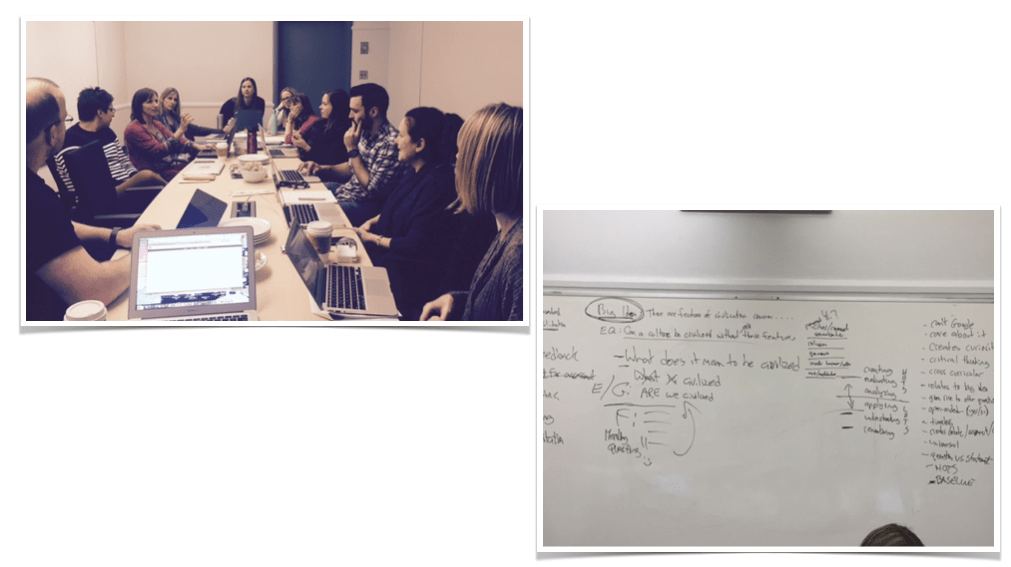
In after-school sessions our coach is planting, nurturing, and fostering the optimal conditions for our teachers to raise the bar on inquiry teaching, while challenging their own assumptions – all the while growing in their confidence as learning professionals.
And so what began as a small interested group has grown larger as curiosity has blossomed. The positive feedback and sharing of the experience has fed the hunger for deep professional learning amongst the rest of the staff. A result any farmer would be proud of.

Now, this isn’t me yet but it is always good to have a goal. We all grow a little stiff as we age, but literally and figuratively, and I see my role as an educational leader to mindfully practice flexibility in thought and action and nurture that in those around me.

In my opinion, by and large our students still learn in the factory system of education. Age-based groups, concepts taught/assessed/reported on – move on. Farming is the world’s second oldest profession and continues to flex and change as the times change. As Mr. Wonderful says “there must be a better way.”
There is and with a farmer approach we can begin to see the forest through the trees and begin to answer questions like this. This is my professional growth plan question for the next two years. I invite you to join me in a conversation in exploring the possible.
Thank you.







 craigcantlie.com
Leave a comment